
Battery energy storage systems are reshaping how industrial sites in Ontario manage power. You face rising energy costs, unpredictable demand charges, and the need for reliable backup power. Industrial battery storage offers practical solutions like peak shaving and load shifting to cut expenses and improve resilience.
Cost Reduction Strategies

Understanding how to reduce costs with battery energy storage systems can transform your industrial operations. Let’s dive into strategies that can cut your energy expenses.
Peak Shaving Benefits
Reducing peak energy demand can significantly lower your costs. Peak shaving helps by using stored energy during high-demand periods, reducing your reliance on the grid when rates are highest. If your facility typically peaks at 3 PM, your battery system can supply power during these hours. This change can lower electricity bills by up to 15%.
Demand Charge Reduction Insights
Demand charges can be a substantial part of your energy bill. These charges are based on your highest power usage during a billing cycle. Battery storage systems can offset these spikes by using stored energy during peak times. Some facilities have seen a 20% reduction in demand charges, improving predictability and reducing billing volatility.
Time-of-Use Arbitrage Tactics
With time-of-use pricing, a battery energy storage system lets you buy energy when rates are low and use it when rates are high. This strategy—time-of-use arbitrage—can cut energy costs by 10% or more by shifting consumption away from peak pricing windows.
Enhancing Energy Reliability
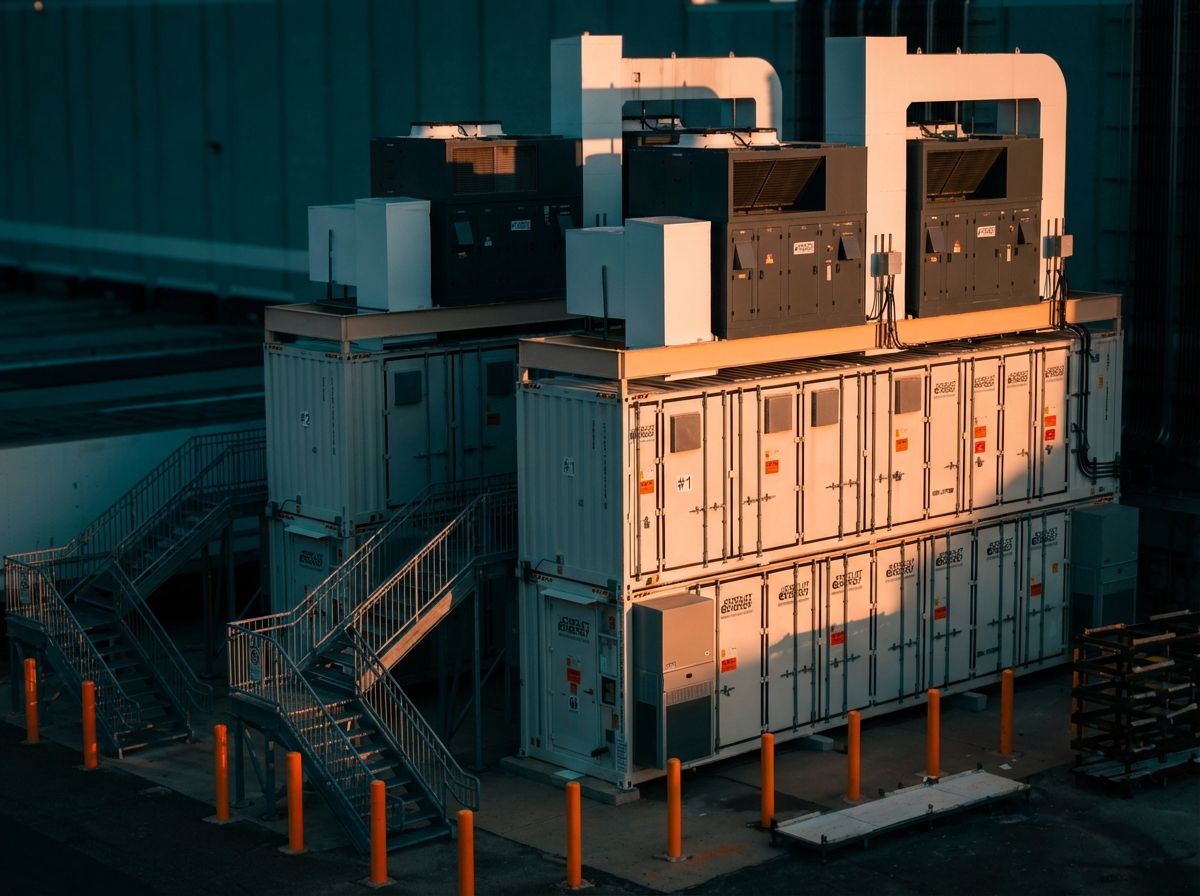
Boosting your facility’s energy reliability can ensure smooth operations. Let’s explore how battery storage systems enhance reliability.
Backup Power for Industry
Power outages can halt operations, but with a backup power system, you can keep essential systems running. Battery energy storage systems provide immediate power during an outage and keep critical loads operational until the main supply returns. This reliability is crucial where downtime equates to lost revenue.
Voltage Sag Ride-Through Solutions
Voltage sags can disrupt sensitive equipment. Battery storage systems help by smoothing fluctuations and providing power to maintain stable voltage. This protects equipment, reduces failures, and minimizes production disruptions.
Harmonic Mitigation Techniques
Harmonics can lead to inefficiencies and higher operating costs. Battery storage systems can mitigate harmonics by cleaning up electrical noise and stabilizing the power supply, which can extend equipment lifespan and reduce wear.
Sustainability and Environmental Impact

Battery energy storage systems also contribute to sustainability. Let’s discuss their environmental benefits and how they align with your goals.
Carbon Reduction Strategy
Reducing carbon emissions is a priority for many industries. Battery storage helps by enabling higher utilization of renewable energy. It stores clean energy for later use and reduces reliance on fossil fuels, supporting sustainability targets and environmental credentials.
Microgrid Controls and Solar Integration
Integrating solar with battery storage creates a powerful solution. Microgrid controls allow your facility to operate independently when needed, improving resilience and reducing grid dependency. Solar-plus-storage is increasingly common in industrial settings for efficient renewable utilization.
Industrial Energy Optimization in Ontario
Optimizing energy use is key to reducing costs and improving efficiency. Battery energy storage systems enable load shifting, demand response participation, and strategic energy management. Facilities in Ontario can benefit from these optimizations, particularly with programs like the Industrial Conservation Initiative.
By implementing strategies to reduce facility costs, improve reliability, and enhance sustainability through battery energy storage systems you are transforming your energy management to support your long-term goals.
