Industrial Power Conditioning Systems
Protect Your Equipment and Your Bottom Line
Poor power quality costs more than you think!
What is Power Conditioning?
Power conditioning is the process of improving the quality of electrical power to eliminate:
Voltage spikes and sags
Harmonic distortion
Electrical noise and transients
Unbalanced loads
Power factor inefficiencies
Poor power quality can lead to premature equipment failure, data loss, and unnecessary energy waste.
Our custom-made systems can help with the following:
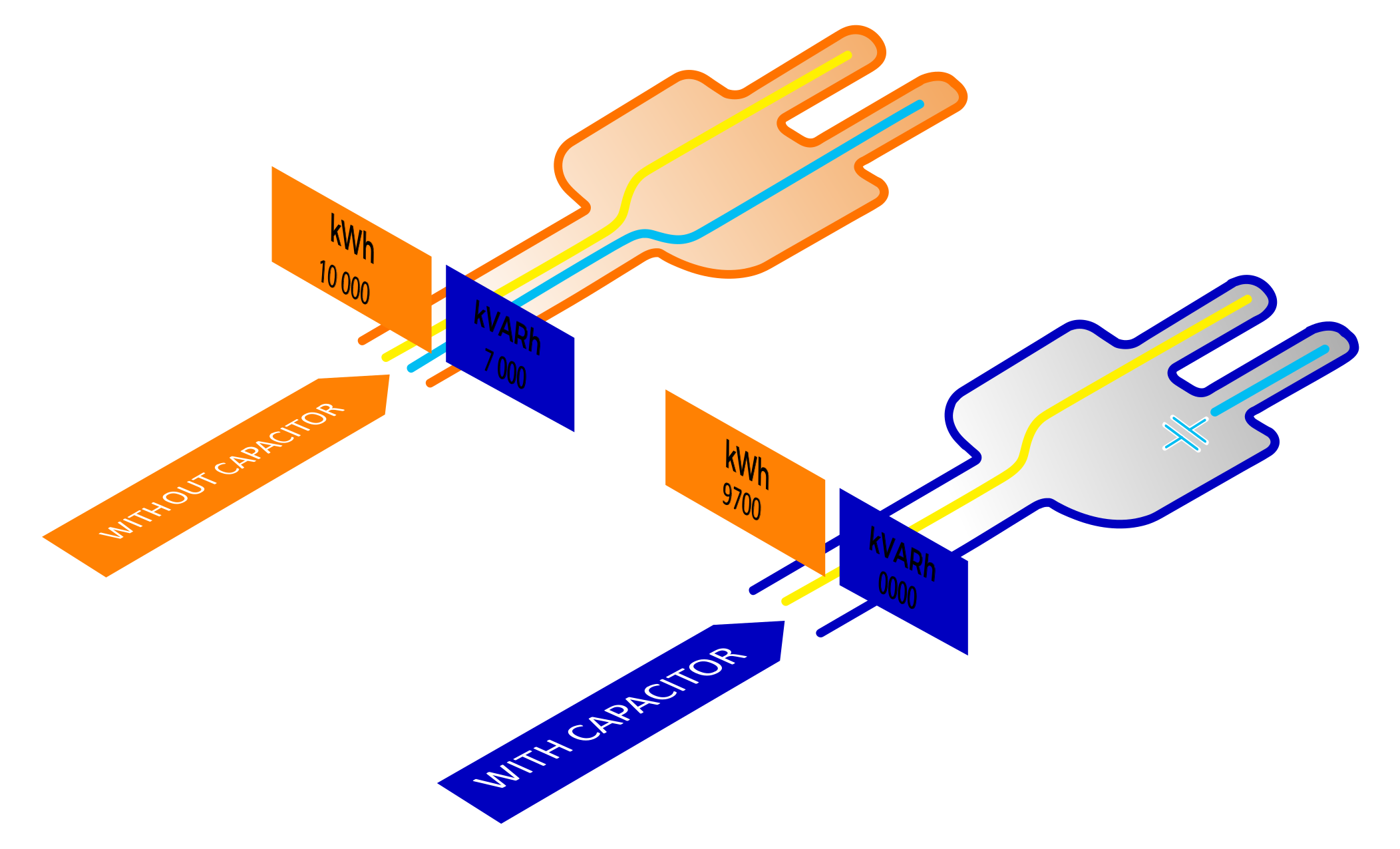
Power Factor Improvement
Intermittent Power Supply Failure Ride-Through
Surge & Transient Disturbances Suppression
Total Harmonic Distortion Reduction
Power Supply Fluctuations & Imbalances
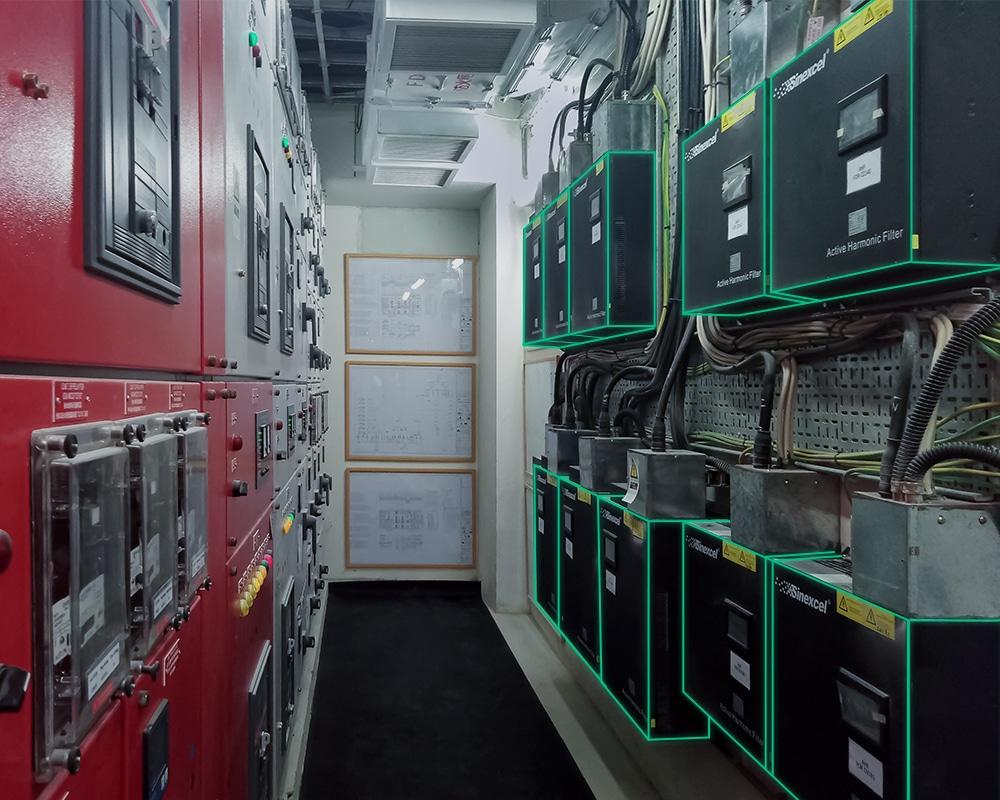
Active Harmonics Filtration
Guaranteed Savings Through Demand Reduction of kVA, kW & kWh
Who Needs Power Conditioning?
Any industrial or commercial facility with sensitive equipment, high-power loads, or automation systems should consider power conditioning.
CONDITIONING
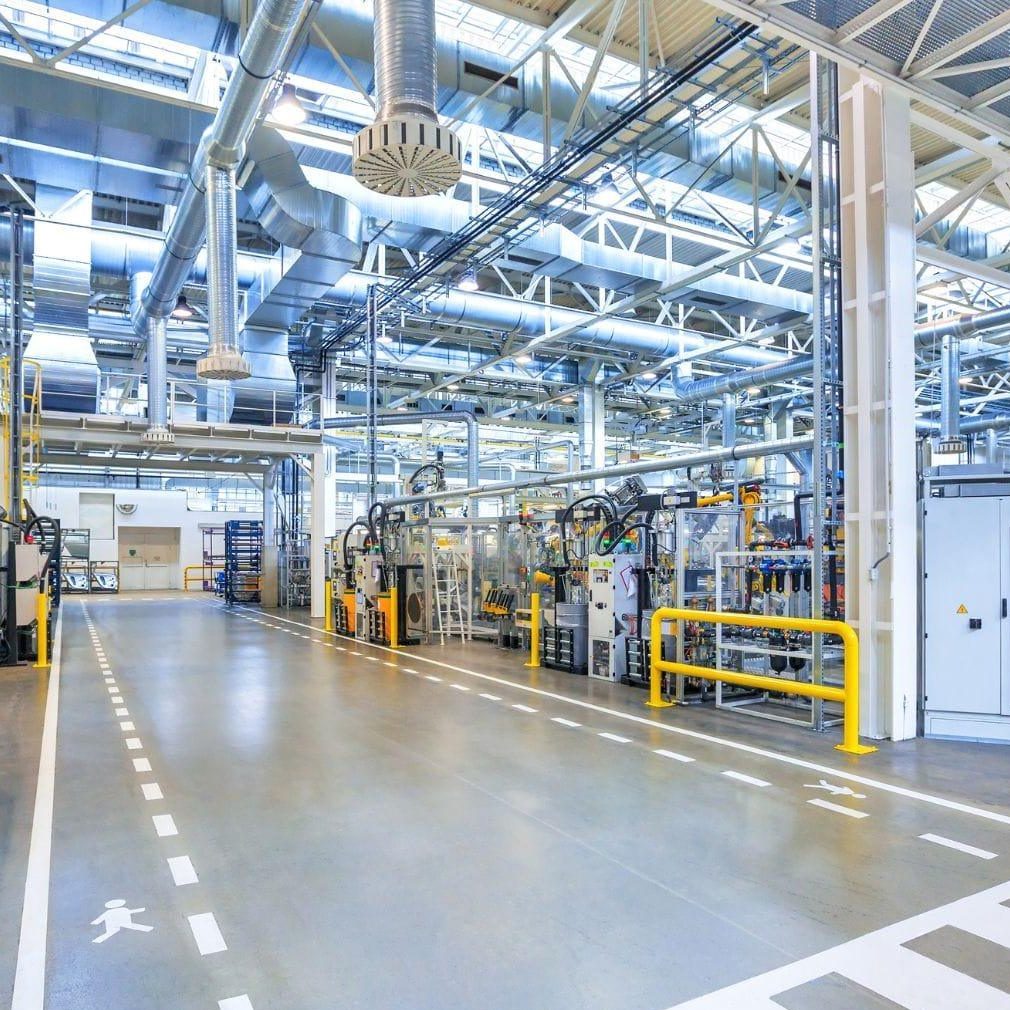
Manufacturing plants
Food processing facilities
Commercial HVAC systems
Medical and laboratory environments
IT and data centres
Renewable energy systems (solar, wind)
Case studies
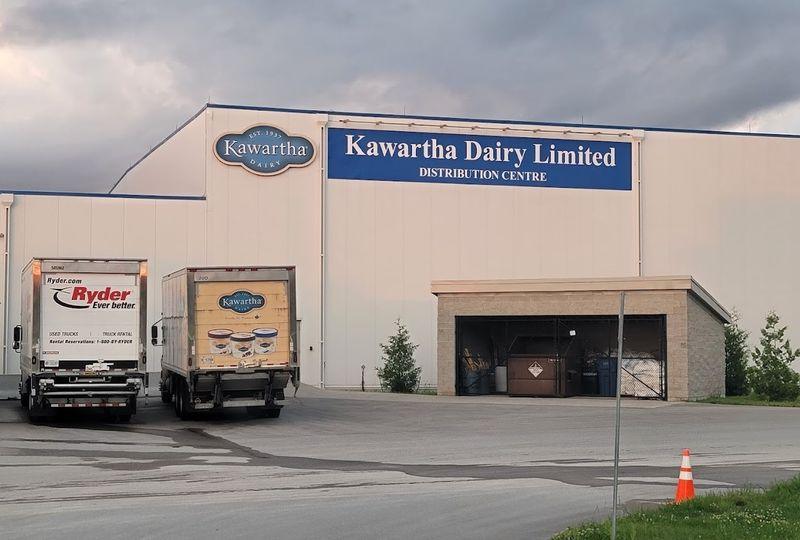
A dairy producer in Southern Ontario was experiencing poor power factor and unacceptable Total Harmonic Distortions (THD).
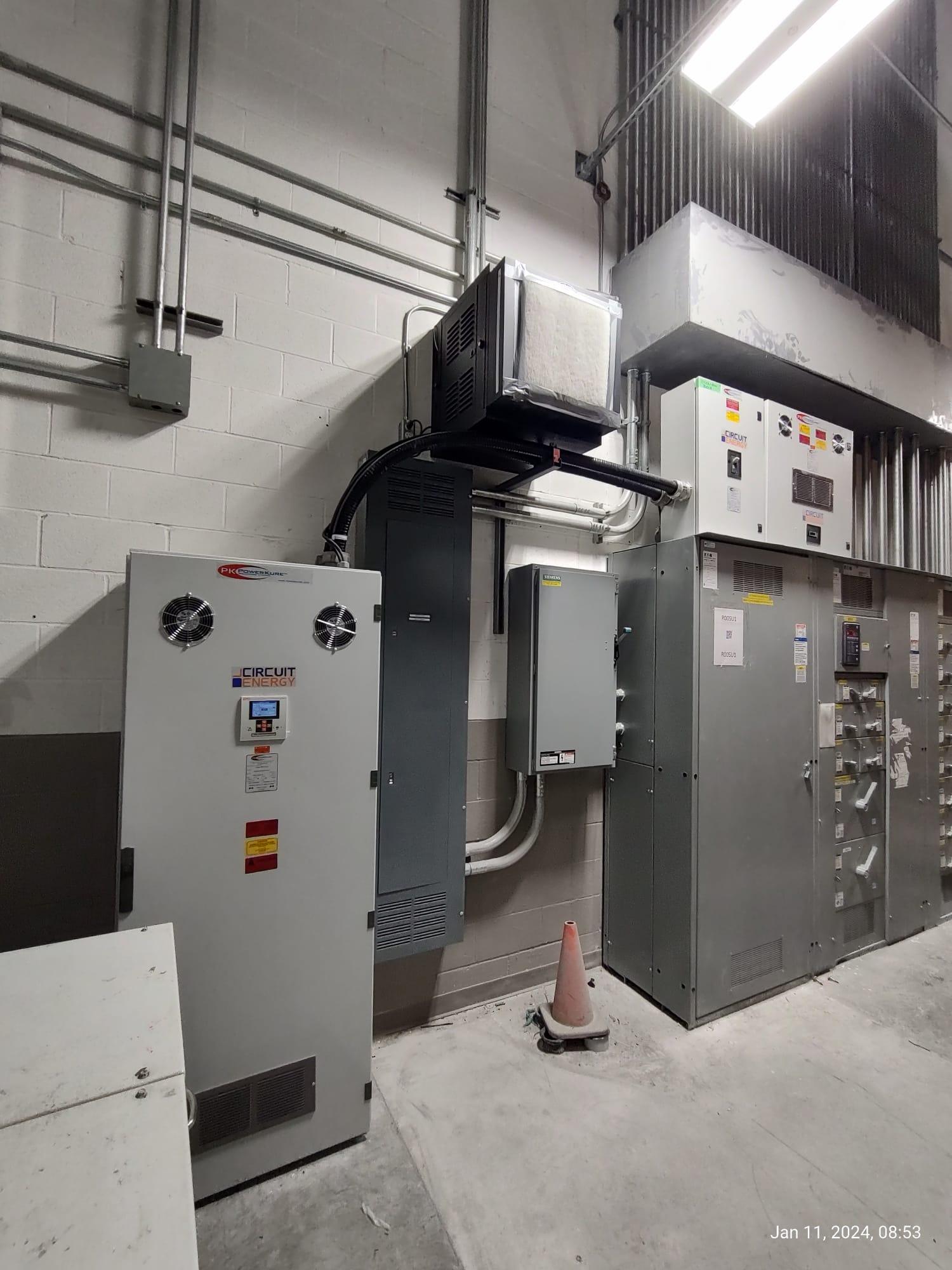
Our custom-built 300kVAR Power Factor Correction was able to improve the facility’s power factor, eliminate harmonics and address voltage fluctuations. Additionally, the Power Factor Correction provided ride-through for voltage sags which reduced the number of power interruptions and led to an annual savings of over $20,000. The facility is also enjoying far less downtime.
A manufacturing company was dealing with intermittent power failures, frequent motor breakdowns, and costly power factor penalties. We conducted a detailed power audit to identify the underlying issues. Our team designed and installed a 325 kVAR Power Factor Correction system that not only solved their core power quality problems but also reduced secondary process-related losses. Since implementation, the facility has improved its average power factor to 98%, with significantly fewer equipment shutdowns caused by voltage sags and swells boosting productivity and operational stability.
Technical Specifications
Main Specifications
| Device Name | Circuit Energy Power Conditioning Systems |
|---|---|
| Network Rated Frequency | 60 Hz |
| Network Rated Frequency | 600/480 V AC |
| Reactive Power Rating | 75 to 525 kVAR |
| Operating Mode | Automatic |
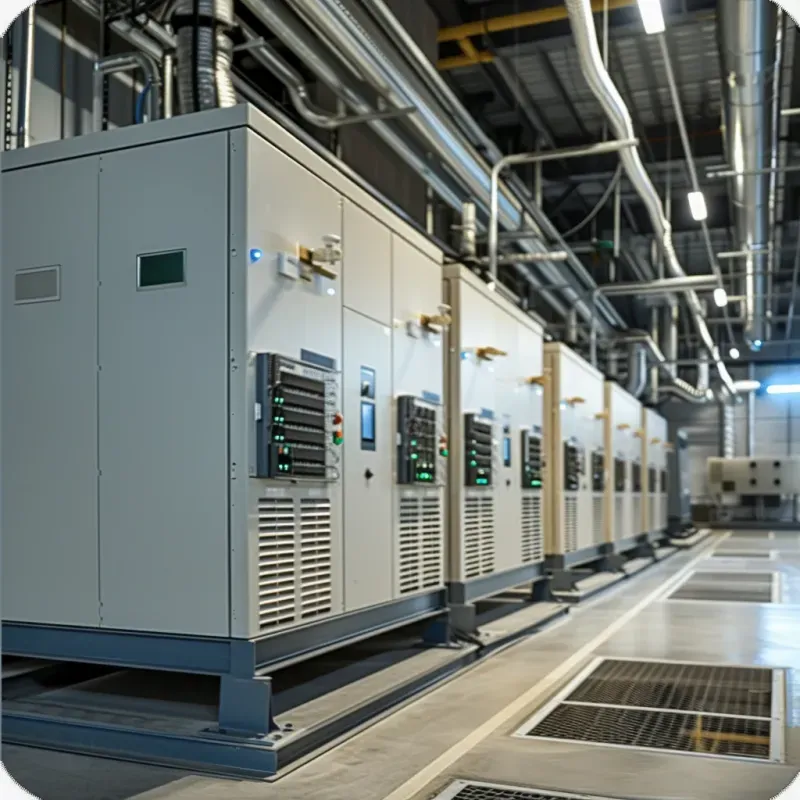
| Product or Component Type | Capacitor Bank with Detuned Harmonic Filter |
| Capacitor Technology | Heavy Duty |
| Accessibility for Operation | Front |
| Colour | Gray RAL 7035 |
Complementary Specifications
| Detuned Factor | 4.2 | 3.8 | 4.8 |
|---|---|
| Harmonic Filter Relative Impedance | 5.67% | 7.00% | 4.35% |
| Tuning Frequency | 252 Hz | 228 Hz | 288 Hz |
Power Ratings
| Reactive Power per Stage | 75 kVAR |
|---|---|
| Protection Type | 100A/14kA MCCB per stage |
| Maximum Permissible Voltage | 1.1 x Un 8 hours over 24 hours |
| Contractor Max Peak Current | 3040 A |
Installation & Environment
| Mounting Location | Indoor |
|---|---|
| NEMA Degree of Protection | NEMA 1 |
| Dimensions | Depends on The Order |
| Maximum Weight | Depends on The Order |
| Operating Altitude | Up to 6561.68 ft (2000 m) |
| Ambient Air Temperature for Operation | -10 to 46 °C (14 to 115 °F) |
Standards & Certifications
| Standards | CSA/UL |
|---|---|
| Product Certifications | CSA |
Standard SVG Specifications
| Capacity |
200V(176V~264V): 35kvar 400V(228V~456V): 30/50/100kvar 480V(384V~552V): 30/40/50/80kvar 600V(420V~690V): 40/50/80/100kvar 690V(483V~793V): 40/50/80/120kvar |
|---|---|
| Efficiency | ≥97% |
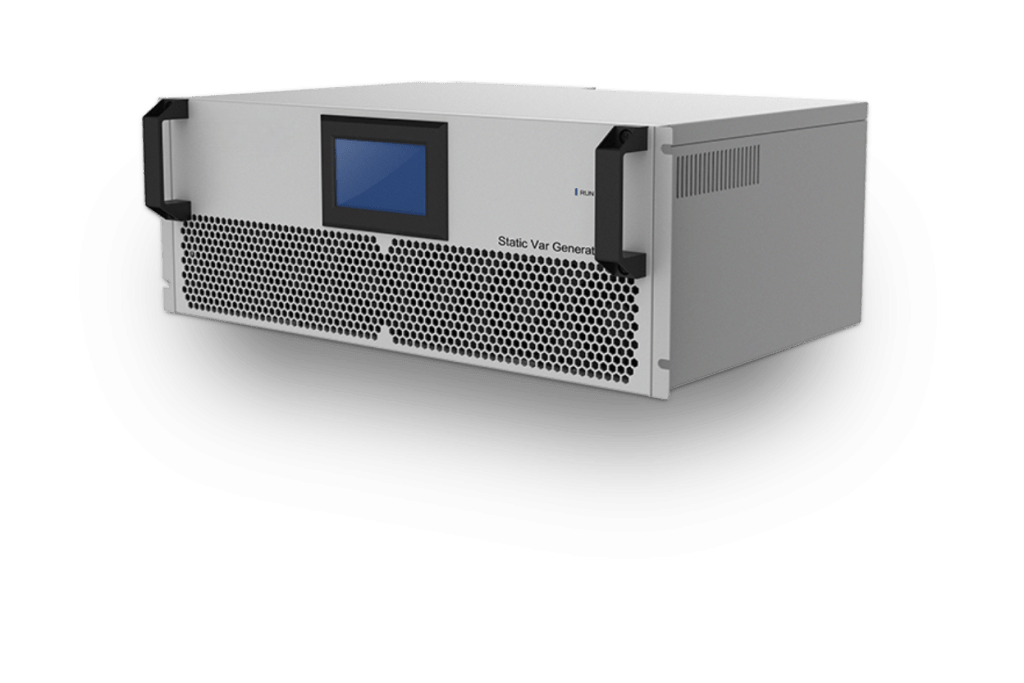
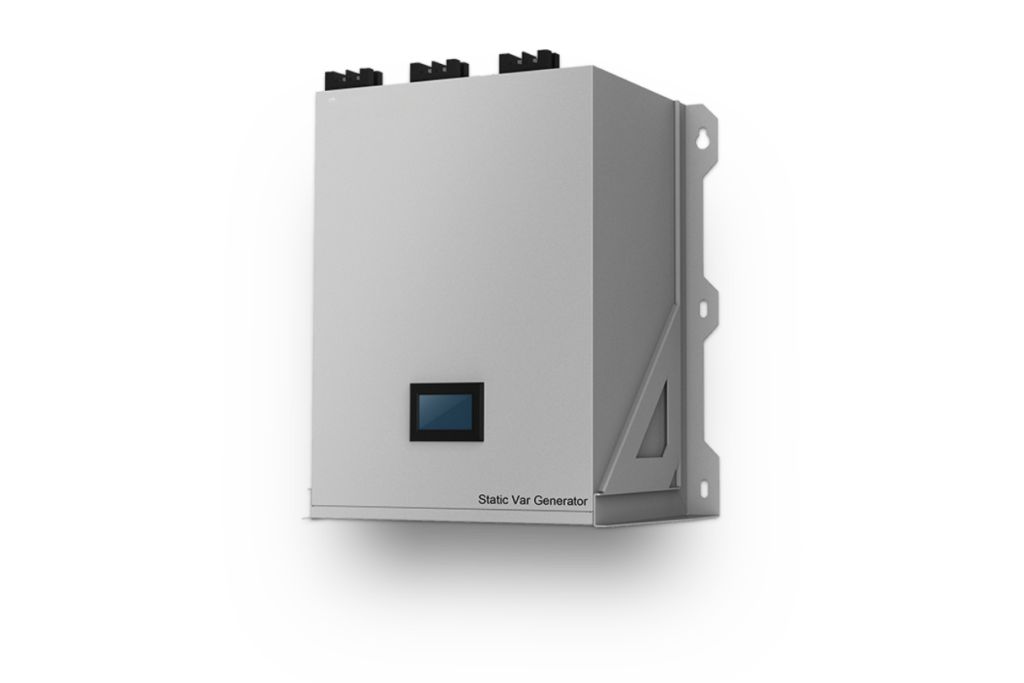
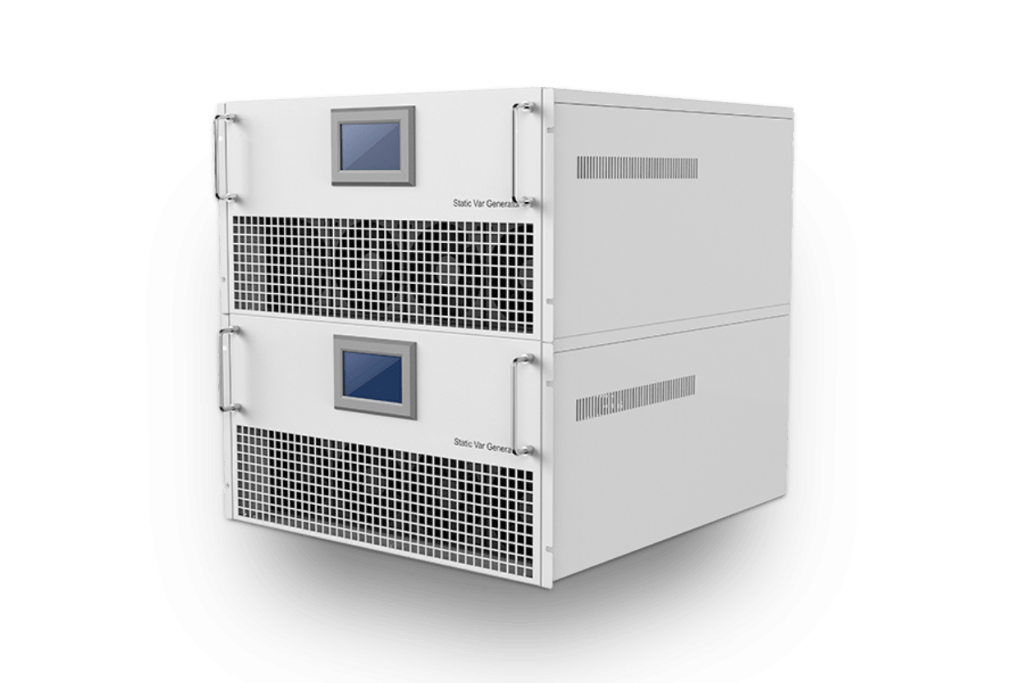
| Type | rack-mounted, wall-mounted |
| Wiring method | 3P3W/3P4W (same unit) |
| Rated frequency | 50Hz/60Hz (auto sensing range: 45Hz~62Hz) |
| Function | Reactive power compensation, Three phase balancing, Voltage regulation |
| Operation mode |
6 operation modes can be set according to different needs. Example: “Q+B” (Reactive power compensation first, then three phase balancing) |
200KVAR SVG Technical Specifications
| Capacity | 200kvar |
|---|---|
| Voltage |
400V (228V~456V) 200V (176V~264V) |
| Efficiency | ≥97% |
| Type | Rack-mounted, Wall-mounted |
| Wiring Method | 3P3W / 3P4W (same unit) |
| Rated Frequency | 50Hz / 60Hz (auto sensing range: 45Hz~62Hz) |
| Function | Reactive power compensation, Three phase balancing, Voltage regulation |
| Operation Mode |
6 operation modes can be set according to different needs. Eg. “Q+B”: reactive power compensation first, then three phase balancing. |
Technical Specifications
| Capacity | 100kvar |
|---|---|
| Peak Efficiency | 98.5% |
| Voltage | 400V (228V~456V) |
| Weight | 35kg |
| Noise Level | < 56dB |
Efficiency & Performance Benefits
| Energy Savings | 1.5% efficiency promotion leads to 12,972 kWh energy savings per year compared to 97% efficiency legacy products. |
|---|---|
| Thermal Management | 33% heat loss reduction: Minimizes heat effect, extends service life, and reduces maintenance costs. |
| Ventilation | 390CFM requirement: Lower air volume allows for easier high IP rating cabinet customization and reduced fan noise for commercial use. |
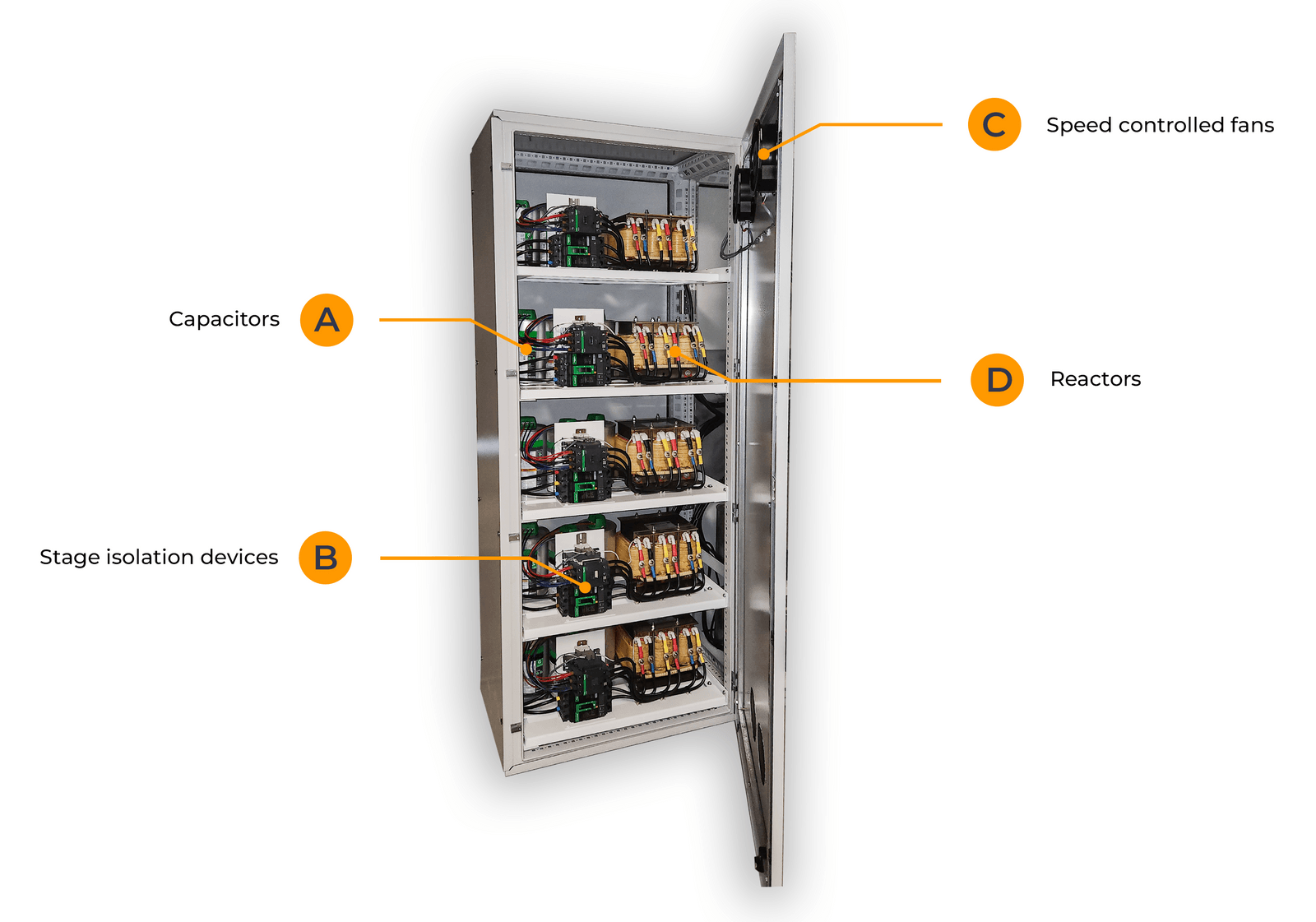
Components in our solution
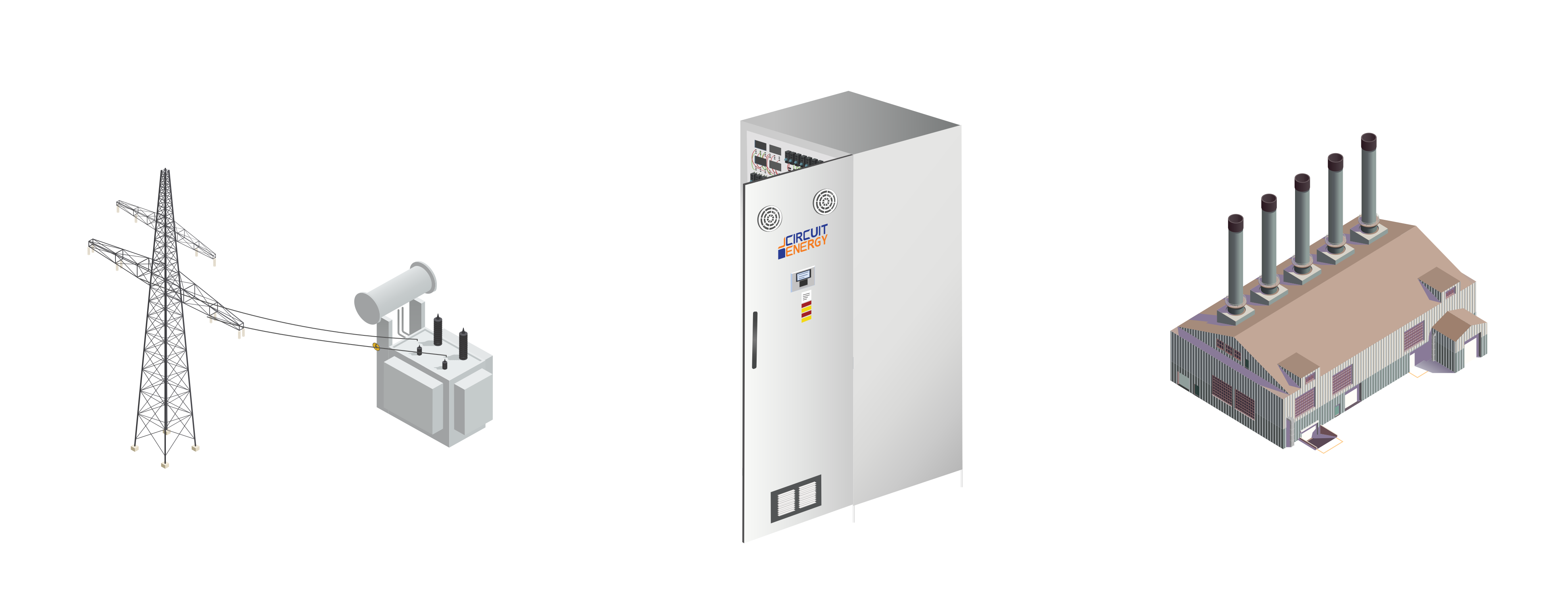
Power Factor Correction add a compensating reactive power to the facility, which helps to improve the power factor and reduce energy costs.
A power factor correction system typically consists of several components that work together to ensure the electrical power supplied to a device or system is consistent and within acceptable limits. The main components of the system are detuned reactors, capacitor cans, contactors, disconnects, and the controller.
Upload your past 12 months electricity bills for a no-obligation preliminary proposal