
Solar Power Systems

Renewable Energy Solutions for a Cleaner and Sustainable Future

Solar Power PV Systems

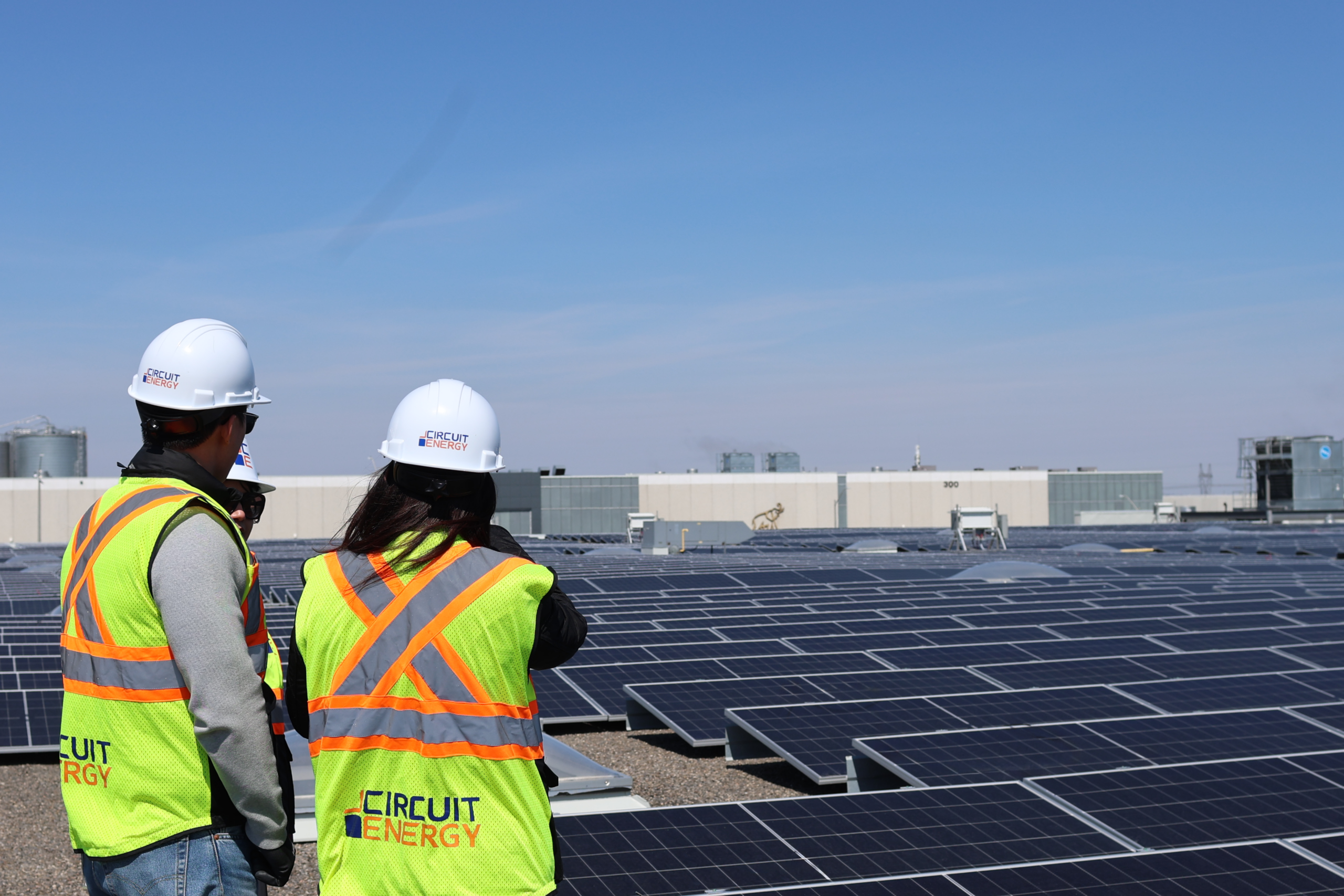
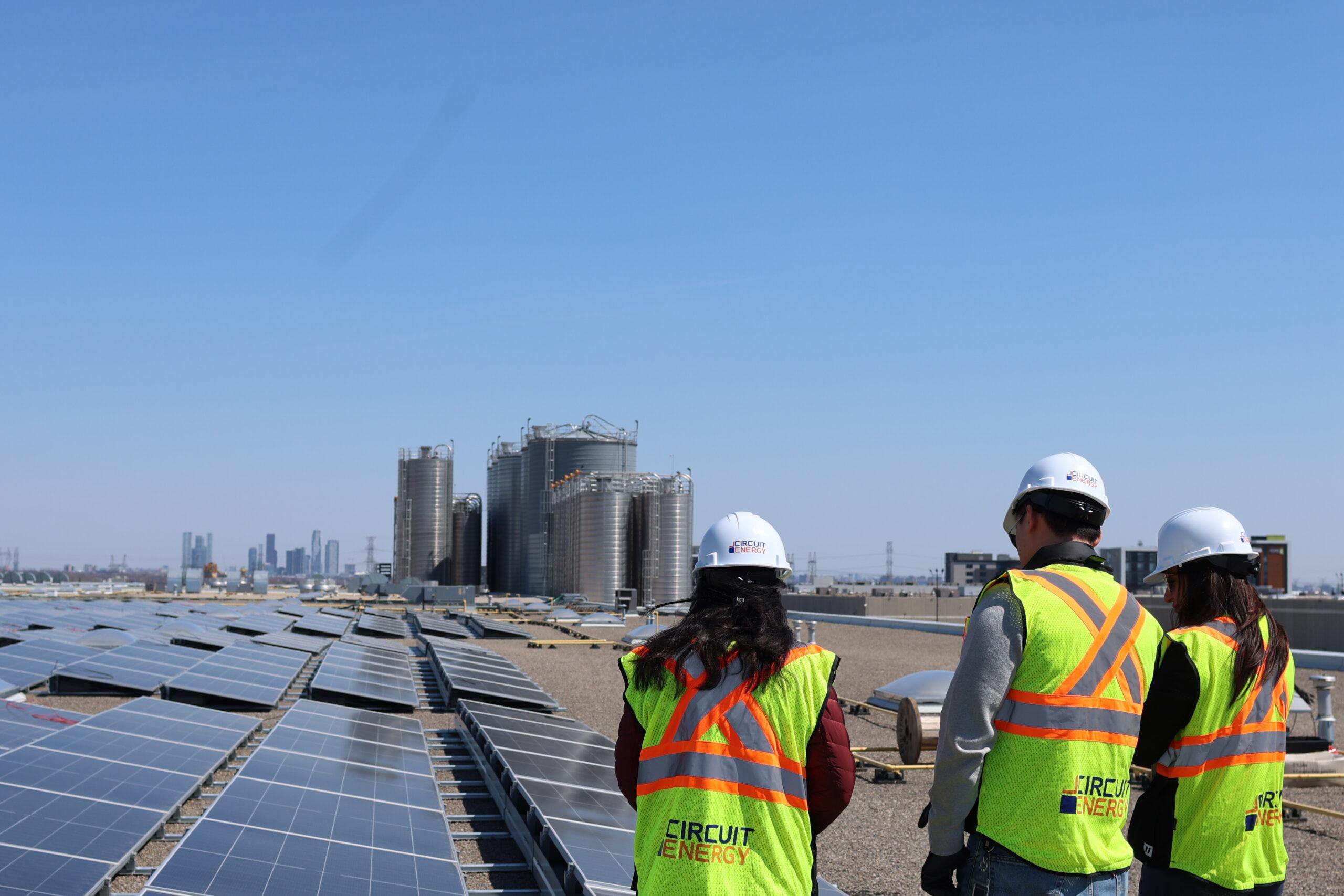
We deliver high-performance, turnkey solar energy solutions for industrial and commercial facilities looking to cut energy costs, increase resilience, and meet sustainability targets. From grid-tied solar energy systems to advanced solar plus battery energy storage systems (BESS), our solutions are engineered to perform under real-world industrial demands.

Why Choose To Go For Solar Energy System?

Electricity rates are rising and grid reliability is declining. By integrating renewable energy, you can:

  • Offset a significant portion of your grid electricity usage during day time
  • Stabilize long-term energy costs
  • Reduce Global Adjustment (GA) and peak demand charges
  • Improve power quality and system reliability
  • Advance ESG (Environmental, Social, Governance) goals

Our Expertise in Solar Power, Hybrid Systems, and Energy Storage Solutions

Our approach to solar energy centers on delivering high-performance, tailor-made systems that maximize energy production and long-term value. We design and engineer each installation to ensure optimal efficiency, seamless integration with existing infrastructure, and compliance with relevant codes and incentive programs. By combining technical precision with a deep understanding of operational requirements, we provide solar solutions that deliver consistent performance, reliability, and measurable savings over their lifespan.

Solar PV Systems

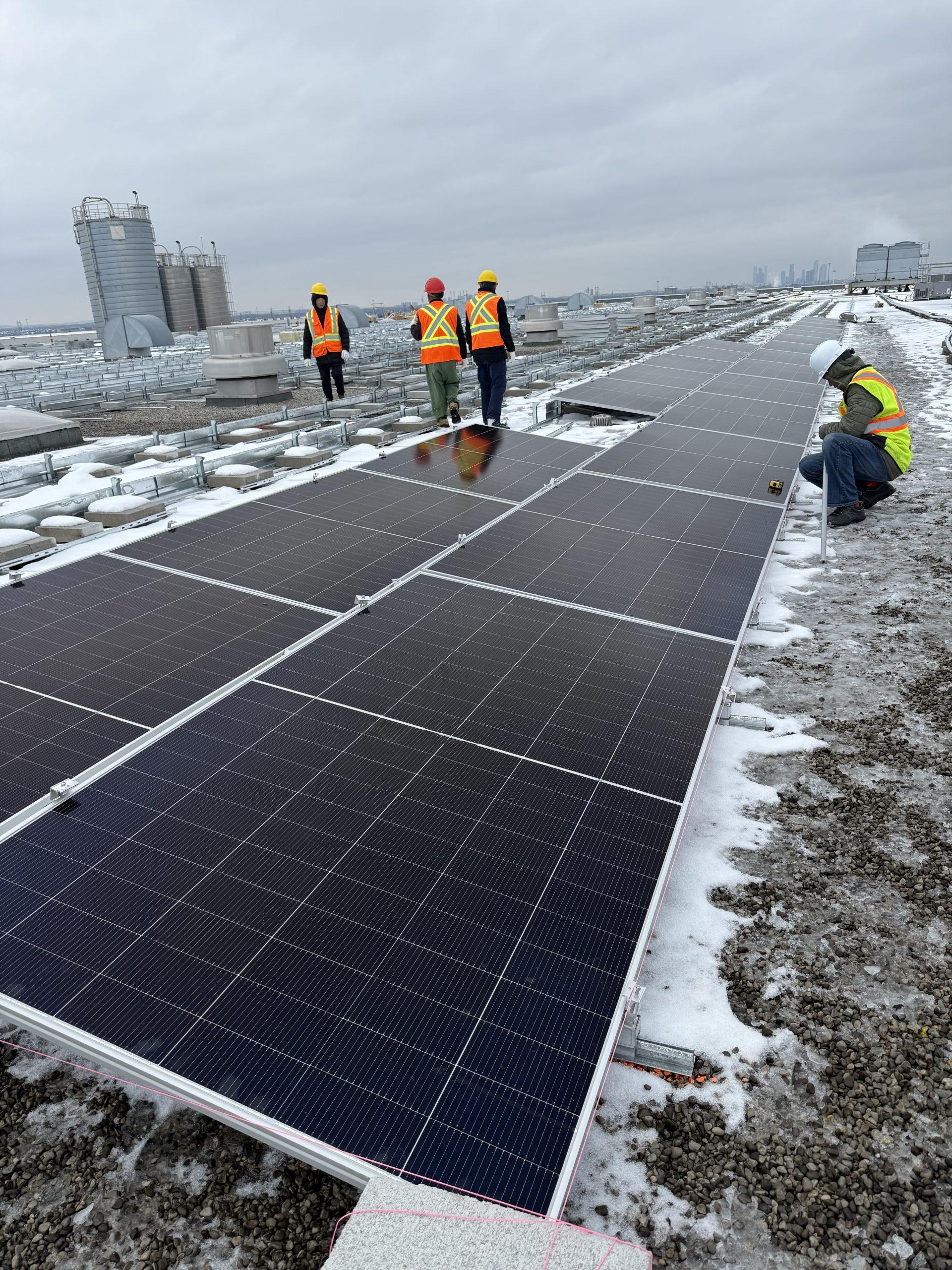
  • Grid-tied, net-metered, or behind-the-meter configurations
  • Rooftop and carport array designs
  • High-efficiency solar panels with performance warranty
  • Inverter sizing optimized for load profile and export limits
  • Remote monitoring via cloud-based platforms.

Hybrid Systems

  • Solar PV System+ BESS + diesel/natural gas generator integration
  • Automated microgrid control logic for optimized dispatch
  • Prioritized load management and islanding during outages

Battery Energy Storage Systems (BESS)

  • Modular scalability design
  • Integrated PCS (Power Conversion System) and EMS (Energy Management System)
  • Load shifting, demand charge reduction, and backup power
  • Black start and islanding capabilities for critical loads
  • Seamless integration with existing generators or UPS systems

Step-by-Step Turnkey Solar Energy Solutions

1.

Feasibility Study & Load Analysis

Load profiling, interval data review, and PV/BESS modeling

2.

System Design & Engineering

Single-line diagrams, layout plans, performance modeling (e.g. PVsyst)

3.

Incentive Application Support

Save on Energy, ITC, and any local rebate programs

4.

Permitting & Utility Coordination

ESA, IESO, and LDC approvals

5.

Installation & Commissioning

CSA-certified equipment, utility interconnection, and safety testing

6.

Monitoring, Maintenance & Performance Optimization

Remote diagnostics with preventive maintenance

Maximize Incentives & ROI

Save on Energy – Ontario Incentives

We help clients access available Save on Energy rebates for solar PV, energy storage, and load management technologies. These incentives can significantly reduce capital costs and improve payback periods.

Federal Clean Technology Investment Tax Credit (ITC)

Qualify for Canada’s Clean Tech ITC, covering up to 30% of eligible costs for solar installations. We assist with documentation, compliance, and application support to ensure maximum return.

Combined, these incentives can reduce upfront costs by up to 40–50%, depending on your project size and location

At Circuit Energy, our mission is to deliver renewable energy solutions precisely aligned with the requirements, constraints, and goals of your industrial operation. We are committed to ensuring an optimal transition to green energy, tailored exclusively for your facility.

Contact us to discuss your renewable energy initiatives and explore how our services can best support your specific needs.

FAQs

FAQs About Solar Power Installation, Maintenance, and Benefits

1. What is the typical cost of a solar energy project?

The cost of a solar energy project depends on various factors, including the system size, installation complexity, and location. On average, a 1 MW AC solar system costs approximately $2 million. However, this can vary based on specific project requirements and conditions.

2. How much of the project cost is covered by incentives?

Solar incentives can cover more than 50% of the total project cost. This includes rebates and tax credits that significantly reduce the upfront investment required for installing solar energy systems.

3. What is the expected return on investment (ROI) for a solar system?

The typical return on investment (ROI) for a solar energy project is generally between 3 to 4 years. The ROI period may vary based on factors such as energy savings, system performance, and available incentives.

4. What factors determine the feasibility of installing a solar system at my facility?

The feasibility of installing a solar energy system depends on three key factors:

  • Energy Demand: Does your facility have an average energy demand of over 1,000 kW? Higher energy consumption increases the financial viability of a solar system.
  • Roof Condition: What is the condition of your roof? Solar panel installation requires a solid, structurally sound roof that can support the weight of the panels. Around 100,000 sq ft of space is required for a 1 MW AC solar system.
  • Building Ownership: Do you own the building, or do you need approval from a landlord to install solar panels?

5. How are the savings from solar energy generated?

The annual savings from a solar system are derived from three primary components:

  • Global Adjustment (GA) Savings: By curtailing your electricity consumption during peak demand hours, solar systems help reduce GA charges, which are a significant portion of your electricity costs.
  • Demand and Delivery Charge Reduction: Solar energy helps lower demand charges by reducing your peak electricity consumption. This reduction not only lowers demand charges but also decreases delivery charges.
  • Consumption Charge Savings: Solar-generated electricity directly reduces your reliance on the grid, leading to lower consumption charges on your utility bill.

6. What is Global Adjustment (GA), and how does it affect my electricity costs?

Global Adjustment (GA) is a charge applied to electricity bills in Ontario, which helps cover the costs of maintaining and expanding the electricity grid. For large industrial users (Class A customers), GA charges are directly linked to their energy consumption during Ontario’s top five peak demand hours. The more electricity consumed during these peak times, the higher the GA charge. Solar energy helps reduce GA payments by offsetting a portion of your load during peak demand periods.

7. How much energy can a solar system generate?

A standard 1 MW AC solar system generates approximately 1,400,000 kWh of electricity annually, depending on factors such as location, weather, and system orientation. This amount can significantly offset your facility's energy consumption.

8. What is the quality of the power generated by solar?

The quality of the power produced by solar systems is identical to the electricity you receive from your utility provider. It is delivered at the same voltage levels and frequency, ensuring compatibility with your existing electrical infrastructure.

9. What is the difference between net metering and load displacement?

  • Net Metering: With net metering, any excess electricity generated by your solar system is sent back to the grid. You earn a credit that can be applied to future utility bills.
  • Load Displacement: In this case, the solar energy generated is used directly within your facility. Solar power is fed into your building, reducing your reliance on grid electricity and lowering your overall utility costs.

10. Does this project use net metering or load displacement?

Load displacement is used, as required by the Save on Energy program.

11. What incentives are available for solar energy projects?

Currently, there are two major incentives available for solar energy projects:

  • Save on Energy Program: Provides up to $860,000 in incentives for the installation of a 1 MW AC solar system. This program helps offset the upfront cost of solar installation.
  • Investment Tax Credit (ITC): A federal tax incentive that covers 20-30% of the remaining project cost after applying Save on Energy funding. This credit significantly reduces the final cost of the system.

12. When can I expect to receive the incentives?

The timeline for receiving incentives varies depending on the program:

  • Save on Energy Incentive: Typically, you will receive the rebate after the project is completed and verified. The application process can take several months, and Circuit Energy will assist you throughout the process.
  • Investment Tax Credit (ITC): The ITC is generally received after your taxes are filed, following the completion of the project. Our team will guide you through the application process to ensure you receive the maximum eligible credit.

Collaboration

Let's work together.

Ready to make a difference? Contact us and get started with your energy savings project.

We offer expert consultation in Solar Systems, Power Conditioning, Battery Storage, and UPS Systems

Power Your Project with Expert Guidance

Proudly
Canadian